


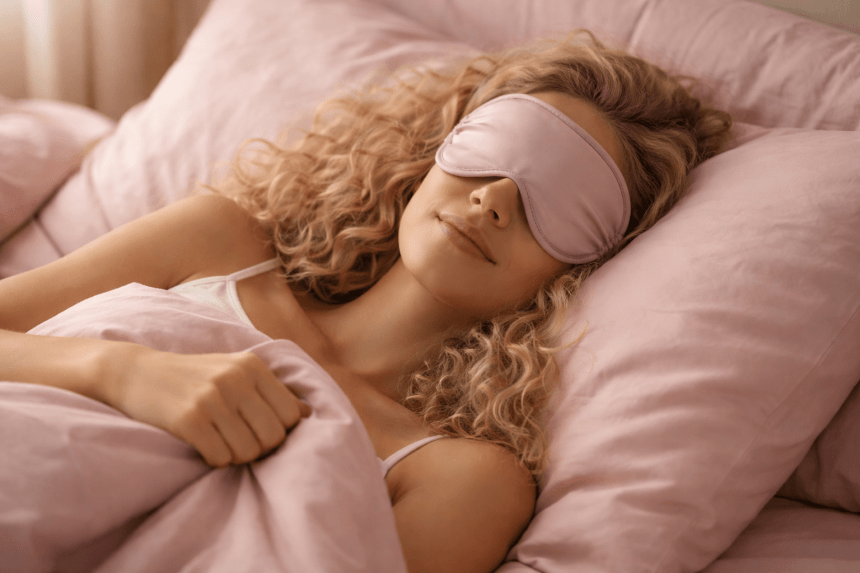

Sleep could be the most important element of your beauty routine.
We’ve all been there—staying up late to finish a project or scrolling through our feeds until 2:00 AM. We think we can just fix it with an extra shot of espresso and some heavy concealer the next morning. But what if your expensive skincare isn’t working because your body is missing its most important repair window?
Skipping sleep isn’t just making you tired; it’s actively sabotaging your glow.
Between 11:00 PM and 2:00 AM, your body enters a critical “detox” mode. This is the golden window where your internal organs flush out toxins, and your skin cells regenerate (Source: Journal of Investigative Dermatology). If you aren’t asleep by then, you’re essentially skipping your body’s natural deep-clean.
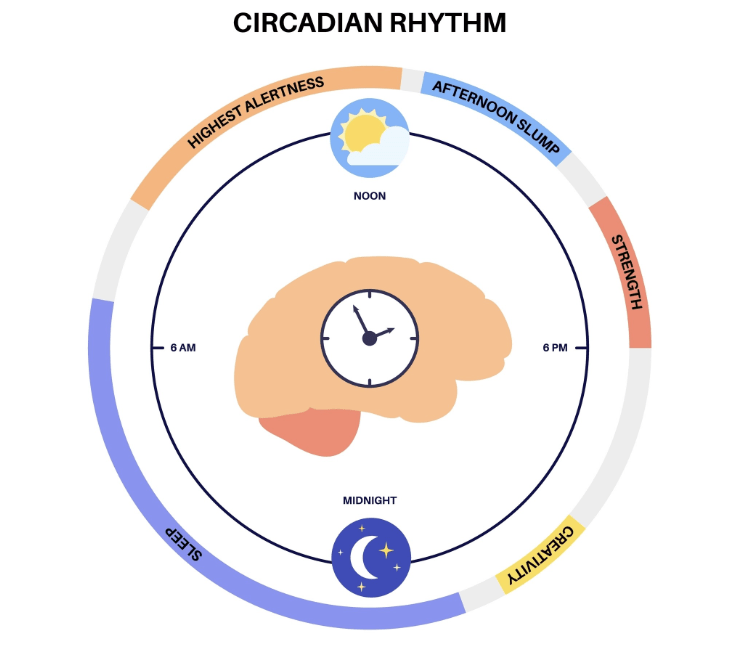
The Sleep Timeline: Why Every Hour Counts.
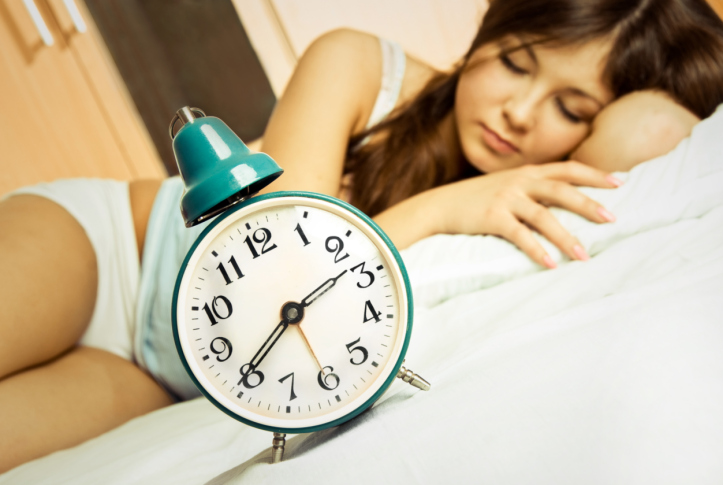
To truly stay young and healthy, the timing of your sleep matters just as much as the amount. The “Golden Window” to fall asleep is between 9:00 PM and 10:00 PM. Here is what happens to your body when you push the limits:
9:00 PM – The Fountain of Youth: Falling asleep now is the ultimate beauty hack. This is when your endocrine system begins to rebalance (Source: The Endocrine Society). Staying consistent with a 9:00 PM bedtime is the best way to prevent premature aging and keep your skin’s elasticity.
10:00 PM – Heart Health: This is the perfect time for your heart to recover from the day’s stress. Your heart rate and blood pressure drop, allowing your cardiovascular system to rest (Source: European Heart Journal ).
11:00 PM – The Hair Hazard: This is when the liver begins its detox process. If you are awake, your body redirects energy away from “non-essential” functions like hair growth. Staying up past this hour can trigger stress responses that lead to hair thinning (Source: American Academy of Dermatology).
12:00 AM – Memory Fade: Your brain uses this time to sort and store memories. If you’re awake, your brain begins to lose its sharpness. It’s why you feel “foggy” the next day—your mental trash wasn’t taken out (Source: Harvard Medical School).
1:00 AM – The Poison Effect: Staying up this late is like putting poison in your system. Your liver is struggling to process toxins. Without sleep, these toxins stay in your blood, leading to sallow skin and acne (Source: National Institutes of Health).
2:00 AM – Vitality Killers: By this point, you are pushing your body to a breaking point. It’s a massive strain on your vital organs. It is essentially an act of self-sabotage that is incredibly hard to recover from.

More Than Just a Late Night: Sleep Disorders
It isn’t always our choice to stay awake. For many, conditions like Insomnia create a frustrating cycle where the mind won’t quiet down, even when the body is exhausted. Insomnia doesn’t just cause dark circles; it keeps your body in a “fight or flight” mode, which prevents the deep, restorative sleep needed for your skin to produce collagen (Source: National Sleep Foundation).
Furthermore, physical issues like Snoring and Sleep Apnea are major health disruptors. Snoring is often a sign of restricted airflow, but Sleep Apnea is more serious—it’s when your breathing actually stops and starts throughout the night. This starves your blood of oxygen. Without enough oxygen, your skin loses its vibrancy and looks grey or “leathery.” Beyond beauty, untreated Sleep Apnea is a silent threat to your overall health, putting immense strain on your heart and increasing the risk of stroke (Source: Mayo Clinic).

Collagen and the “Beauty Hormone
When you hit deep sleep, your body releases Human Growth Hormone (HGH). In the wellness world, we call this the “Beauty Hormone.” It is responsible for repairing the collagen and elastin that keep your skin plump and firm (Source: Sleep Foundation).
When you skip sleep, your body instead produces Cortisol, the stress hormone. Cortisol is the enemy of beauty; it actually breaks down collagen (Source: Journal of Investigative Dermatology). This means that every hour you stay awake past midnight is actively melting away the firmness of your skin, leading to sagging and fine lines that shouldn’t be there yet.
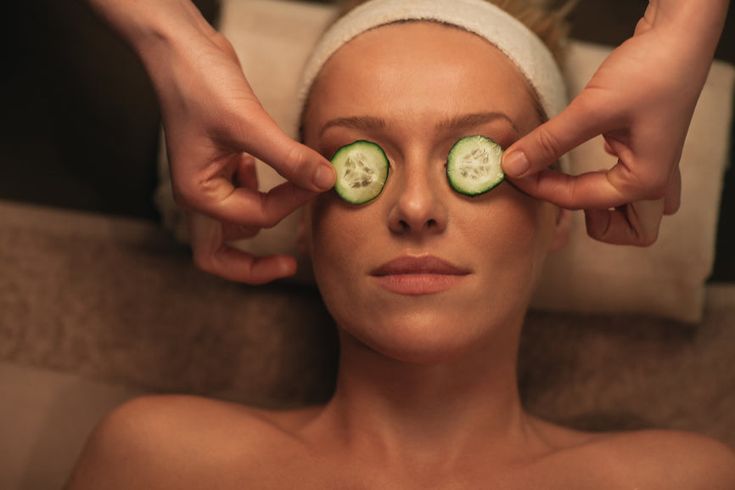
The Science of “Cell Mitosis”
Why is that 11:00 PM to 2:00 AM window so famous? Science calls it the peak of Cell Mitosis. This is the process where skin cells divide and repair themselves (Source: Science Direct). Whether you are using a $200 cream or a basic moisturiser, it won’t work if the cells aren’t dividing properly. During these hours, blood flow to the skin increases, delivering oxygen and nutrients that help rebuild your skin’s barrier. This surge in circulation is what gives you that “rested glow” the next morning.

The Melatonin Miracle
Melatonin isn’t just a “sleep hormone”—it’s a powerful antioxidant that mops up free radicals produced during the day from sun exposure and pollution. Your body starts pumping out Melatonin around 9:00 PM or 10:00 PM as the lights go down.
If you are staring at a phone screen at 11:00 PM, the blue light tells your brain to stop the Melatonin production (Source: Harvard Health). This leaves your skin defenceless against “oxidative stress.” Think of Melatonin as your internal nighttime serum; you want to be asleep when it’s at its peak so it can do its job of protecting your DNA and preventing dark spots.

The Post-Rest Feeling
The truth is, feeling good isn’t just about treating symptoms. It’s about understanding your body’s rhythm. When you prioritise a 9:00 PM or 10:00 PM bedtime, you give your liver, heart, and skin the time they need to thrive. You’ll wake up with brighter eyes, stronger hair, and a clearer mind. Instead of just powering through the day, you’ll be actively helping your body heal and emerge confident to face any challenge.

Bibliography
- American Academy of Dermatology (AAD). “Causes of Hair Loss.” www.aad.org
- Endocrine Society. “Sleep and Your Hormones.” www.endocrine.org
- European Heart Journal. “Sleep timing and cardiovascular disease risk.” academic.oup.com/eurheartj
- Harvard Medical School. “Sleep, Learning, and Memory.” health.harvard.edu
- Journal of Investigative Dermatology. “Sleep-deprived skin and aging.” www.nature.com/jid
- Mayo Clinic. “Sleep Apnea: Symptoms and Causes.” www.mayoclinic.org
- National Institutes of Health (NIH). “Circadian rhythms and liver health.” www.ncbi.nlm.nih.gov
- National Sleep Foundation. “The Link Between Sleep and Skin.” www.thensf.org
- Science Direct. “Cell Mitosis and Skin Repair Cycles.” www.sciencedirect.com
- Sleep Foundation. “How HGH and Collagen Work During Sleep.”www.sleepfoundation.org