




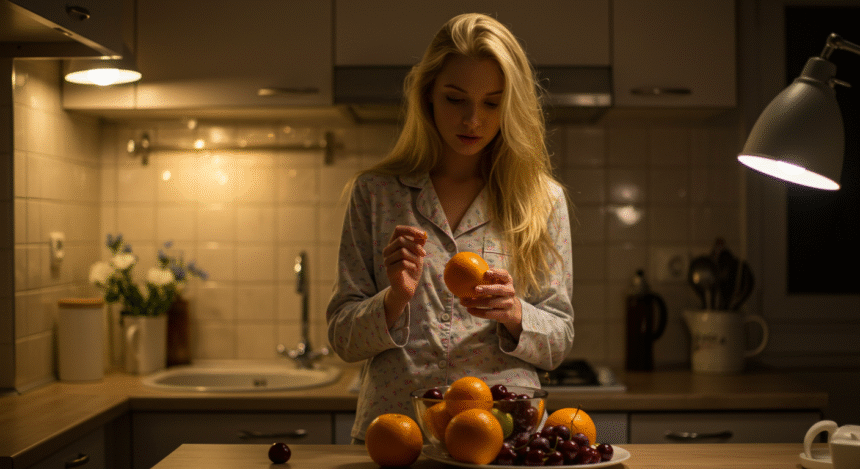

The truth about eating fruit at night might surprise you, here’s what science says about digestion, sugar, sleep, and whether late-night fruit really matters.
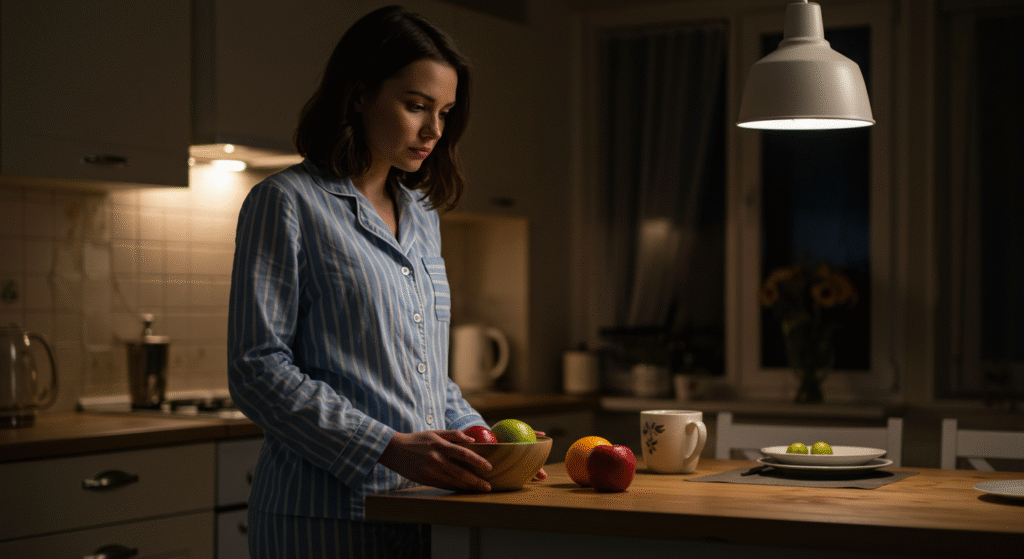
The truth about eating fruit at night has been debated for decades. Some experts claim it disrupts digestion, spikes sugar levels, or even causes weight gain, while others insist it’s perfectly healthy at any time of day.
With so much conflicting advice, it’s no wonder many people hesitate before reaching for that late-night apple or bowl of berries. But what does the science actually say?
The good news is, fruit at night is not the dietary villain it’s often made out to be and in fact, under the right circumstances, it can even support better sleep, digestion, and overall wellbeing.
Where the Myth Came From
The idea that fruit should be avoided at night stems largely from misconceptions about sugar and digestion. Because fruit contains natural sugars, many assume eating it before bed will cause blood sugar spikes that lead to fat gain.
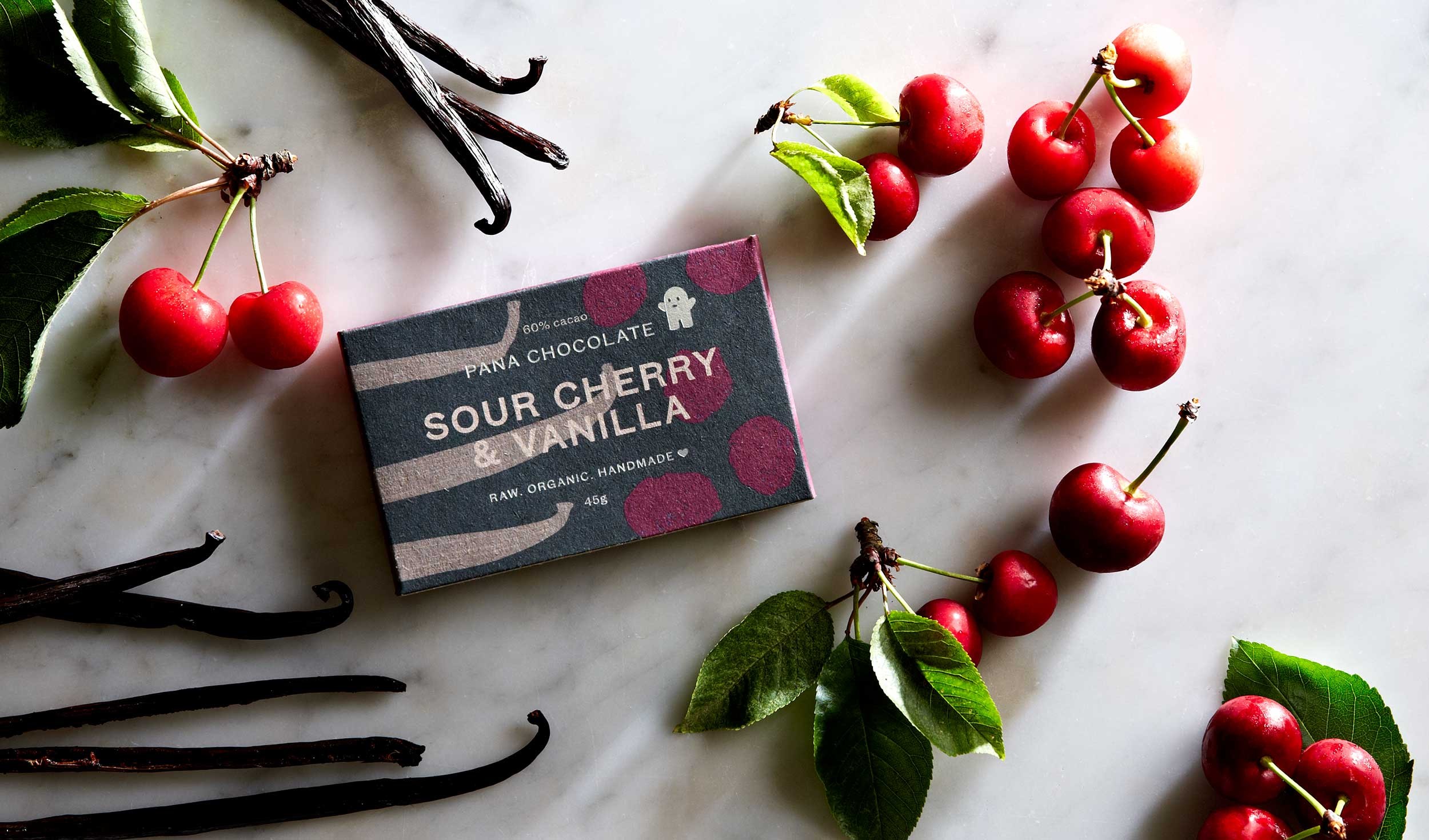
Others believe the body “can’t digest fruit properly” after a certain hour. Dr. Michael Breus, an American clinical psychologist and sleep specialist, highlights the potential sleep benefits of fruit: “Fruits like kiwi and cherries contain compounds that help regulate sleep and may improve restfulness when eaten in the evening.”
Fruit and Blood Sugar at Night
One concern often raised is blood sugar management. Yes, fruit contains natural sugar, but it also comes with fibre, water, and essential nutrients that slow digestion and prevent sharp spikes. For most healthy adults, eating fruit in the evening is unlikely to cause blood sugar issues.
In fact, pairing fruit with a source of protein or fat for example like Greek yogurt, nuts, or a slice of cheese can further stabilise blood sugar, making it a satisfying and balanced evening snack. If someone has diabetes or insulin resistance, in this case, needs to be more mindfuiness about portion size and timing.
Fruit and Sleep Quality
Surprisingly, eating fruit at night might even support better sleep. Certain fruits contain compounds that influence melatonin (the sleep hormone) or serotonin (the feel-good neurotransmitter).
- Cherries: Rich in natural melatonin, they may help regulate sleep cycles.
- Bananas: High in magnesium and potassium, they relax muscles and support restful sleep.
- Kiwi: Studies suggest eating kiwi before bed can improve sleep quality thanks to its antioxidants and serotonin content.
So instead of disrupting rest, the right fruits may actually help the body wind down at the end of the day.
Digestion Myths Debunked
Another common myth is that fruit “ferments” in the stomach if eaten at night, causing bloating or indigestion. But physiologically, this isn’t how digestion works.
The stomach is highly acidic and designed to break down food efficiently, fruit included. What can cause bloating is eating very large portions of fruit especially high-FODMAP varieties like apples, pears, or watermelon, if someone already has a sensitive gut.
For most people, a small to moderate portion of fruit before bed is well tolerated.

Weight Gain and Fruit at Night
Perhaps the biggest myth is that fruit at night directly causes weight gain. In reality, weight gain comes from overall calorie balance, not timing. A banana eaten at 9 p.m. has the same calories as one eaten at 9 a.m.
However, what’s important is why someone is eating fruit at night. If it replaces less healthy late-night snacks like chips, cookies, or ice cream, fruit can actually help manage weight.
On the flip side, eating large amounts of fruit late at night on top of an already high-calorie day could contribute to a surplus. Like all foods, balance and portion size matter more than the clock.
Best Ways to Enjoy Fruit at Night
For those who love a sweet evening ritual, fruit can be a fantastic option, especially when paired thoughtfully. Some of the best ways to enjoy fruit at night include:
- Greek yogurt with berries: A mix of protein, probiotics, and antioxidants that supports digestion and satiety.
- Apple slices with almond butter: Balances natural sugars with healthy fats for stable energy.
- Banana with a sprinkle of cinnamon: Naturally calming and muscle-relaxing for pre-sleep nourishment.
- Cherries or kiwi on their own: For a light, melatonin-rich evening snack.
Feel that you are having trouble sleeping? Check out this Bondi Beauty Article