





Are beauty dupes under fire? This could be the lawsuit that changes your beauty routine.
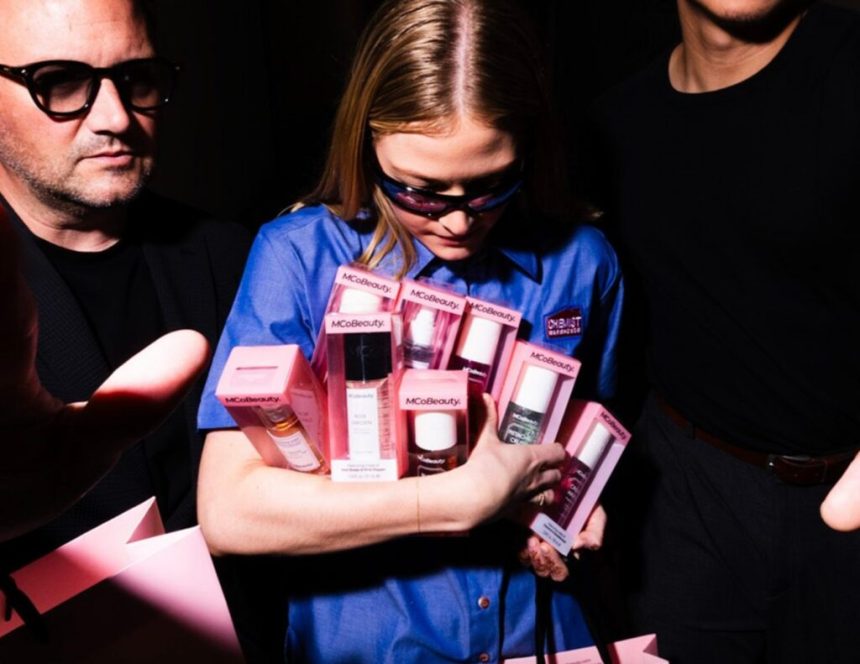
Australia’s cult beauty brand defends affordable alternatives as the global “dupe economy” faces legal scrutiny. The beauty world’s obsession with affordable “beauty dupes” has taken centre stage in a high-profile legal battle, with Australian brand MCoBeauty pushing back against a lawsuit from luxury body care giant Sol de Janeiro.
The dispute — which centres on claims of trademark infringement and deceptive marketing — highlights a growing tension between accessibility and intellectual property in the fast-moving beauty industry.
For young consumers who love high-end results without the premium price tag, the case could shape the future of budget beauty worldwide.
The Lawsuit: What’s Happening?
The legal clash between MCoBeauty and Sol de Janeiro is unfolding in a U.S. federal court, where Sol de Janeiro has accused the Australian brand of creating “deliberate dupes” that mimic its fragrance mists, packaging, and branding.
Sol de Janeiro alleges MCoBeauty designed its products and marketing to capitalise on the prestige brand’s reputation, arguing the similarities risk confusing consumers and exploiting its established identity.
The complaint specifically targets MCoBeauty’s fragrance range, claiming the products replicate the distinctive look, scent profiles, and presentation of Sol de Janeiro’s best-selling body sprays.
This is not an isolated dispute. The rise of “dupe culture” — where affordable products imitate the look or performance of luxury items — has triggered a wave of legal battles across the beauty industry, as brands seek to protect their intellectual property while budget competitors push the boundaries of inspiration.
MCoBeauty’s Response: A Defence of the Dupe Economy
MCoBeauty, however, strongly rejects the claims — and is using the case to defend what it sees as a legitimate and consumer-driven business model.
In court filings and public responses, the brand argues its products are lawful competitors, not counterfeit copies, and reflect standard industry practice within a market increasingly driven by accessible alternatives.
The company maintains that its products are clearly branded, priced differently, and marketed to a mass-market audience — positioning them as affordable options rather than replacements for luxury goods.
The brand’s broader stance reflects its long-standing philosophy around beauty accessibility. MCoBeauty has previously stated that its approach is about offering consumers similar experiences at lower prices while staying within legal boundaries. The company has said its practices are “legal” and that it continually refines its processes when legal challenges arise.
Industry commentary also suggests the brand carefully researches design elements and focuses on generic features rather than protected trademarks — a strategy aimed at staying within intellectual property limits while creating familiar-looking products.
For MCoBeauty, the argument is simple: inspiration is not infringement.

Why Dupes Are So Popular With Young Consumers
The case resonates particularly strongly with Gen Z and millennial shoppers, who have helped fuel the global dupe economy.
Affordable alternatives appeal not just because of price, but because they increase access to trending products and viral beauty experiences. Social media has accelerated this demand, with influencers regularly comparing luxury products with budget alternatives.
Consumer behaviour shows that many shoppers see dupes as smart spending rather than deception — choosing accessible versions without necessarily replacing the original brand entirely.
This shift has helped MCoBeauty become one of Australia’s fastest-growing beauty brands, building a business worth hundreds of millions by offering lower-cost versions of high-end favourites.
The Bigger Question: Where Is the Legal Line?
At the heart of the lawsuit is a broader industry debate: when does inspiration cross into infringement?
Luxury brands argue dupes dilute brand identity and profit from years of innovation and marketing investment. Budget brands, on the other hand, argue they provide healthy competition and expand consumer choice.
Legal experts say the outcome often depends on factors such as consumer confusion, pricing differences, branding clarity, and product positioning — meaning the line between inspiration and imitation remains blurry.
The MCoBeauty case could help clarify how courts view “dupe culture” in a digital era where trends spread instantly and product similarities are quickly scrutinised online.
What This Means for the Future of Beauty
For now, the lawsuit continues — but its implications stretch far beyond two brands.
If Sol de Janeiro succeeds, beauty companies may face stricter limits on how closely they can mirror popular products. If MCoBeauty’s defence holds, it could reinforce the legitimacy of the dupe economy and reshape how brands compete in a price-conscious market.
For consumers, particularly younger shoppers, the outcome could influence everything from product pricing to innovation — and determine whether affordable alternatives remain a defining force in modern beauty.
One thing is clear: the battle over dupes is no longer just a trend — it’s a defining conversation about accessibility, creativity, and ownership in the global beauty industry.