





Why a protein-free breakfast could be the reason behind your cravings, fatigue, and skin breakouts.
The wellness world is full of breakfast ideas, smoothie bowls, avocado toast, overnight oats, fruit salads. And while they may look aesthetically pleasing and feel light and energising at first, there’s often one crucial macronutrient missing from the plate: protein.
Many nutritionists agree that how we start the day sets the tone for everything from blood sugar to mood and even skin clarity. And yet, many women unintentionally skip protein at breakfast opting for carb-heavy or sweet options that don’t provide the nourishment the body needs after a night of fasting.
According to nutritionist Claudia Salinas, “The first meal of the day tells your body how to function especially your hormones. When you miss protein, your blood sugar is more likely to crash, cravings increase, and your energy is unpredictable.”
So, what really happens when breakfast lacks protein? And how can a few small swaps make a major difference?
1. Blood Sugar Spikes Then Crashes
Breakfasts high in carbs and low in protein, think fruit smoothies, cereal, or plain toast cause a quick spike in blood glucose. That’s usually followed by a mid-morning crash, leaving you feeling tired, moody or ravenous by 10am.
Protein slows digestion and stabilises the release of glucose into the bloodstream. Without it, energy levels rise sharply and fall just as fast, which can lead to more frequent snacking, irritability, or even anxiety-like symptoms.
2. Increased Cravings Throughout the Day
One of the most noticeable effects of a low-protein breakfast is constant hunger. That’s because protein is the most satiating macronutrient it helps you feel full for longer by influencing hunger hormones like ghrelin and leptin.
When people start their day with protein (even just 20 grams), they’re less likely to overeat later in the day. On the flip side, a breakfast of only fruit, oats or granola can trigger a pattern of reaching for sugar or caffeine just to stay focused.
“Protein calms the appetite. It gives your brain and gut the signal that you’re nourished,” says Salinas. “Without it, you’ll find yourself in the snack cupboard by 11am.”
3. Sluggish Metabolism
While most people associate protein with muscle building, it also plays a big role in metabolic health. Protein has a higher thermic effect of food (TEF), meaning the body burns more calories digesting protein than carbs or fats. It also preserves lean muscle mass essential for a strong metabolism.
Skipping protein in the morning may not seem like a big deal, but consistently under-eating protein can lead to slower metabolism over time, especially when combined with a sedentary lifestyle or inconsistent meals.
4. Mood Swings and Poor Concentration
Protein helps create neurotransmitters like dopamine and serotonin, which regulate mood, motivation and focus. When breakfast lacks protein, you may find it harder to concentrate or stay in a positive headspace throughout the morning.
Carb-heavy meals without protein can also cause fluctuations in cortisol, the stress hormone which may explain why some people feel anxious or foggy after a sweet breakfast.
Adding just one egg, some Greek yoghurt, or a scoop of protein powder to a morning meal can help improve clarity and productivity in subtle but powerful ways.
5. Potential Skin Breakouts
While not the first thing people associate with protein, skin health is often affected by what we eat for breakfast. Sugar spikes and insulin fluctuations caused by high-carb, low-protein meals can lead to increased oil production and inflammation two major contributors to acne.
“Many clients notice clearer skin just from balancing their breakfast better,” says Salinas. “Protein helps stabilise hormones, reduce inflammation, and improve skin healing all crucial for breakouts and overall glow.”

So, What Does a Balanced Breakfast Look Like?
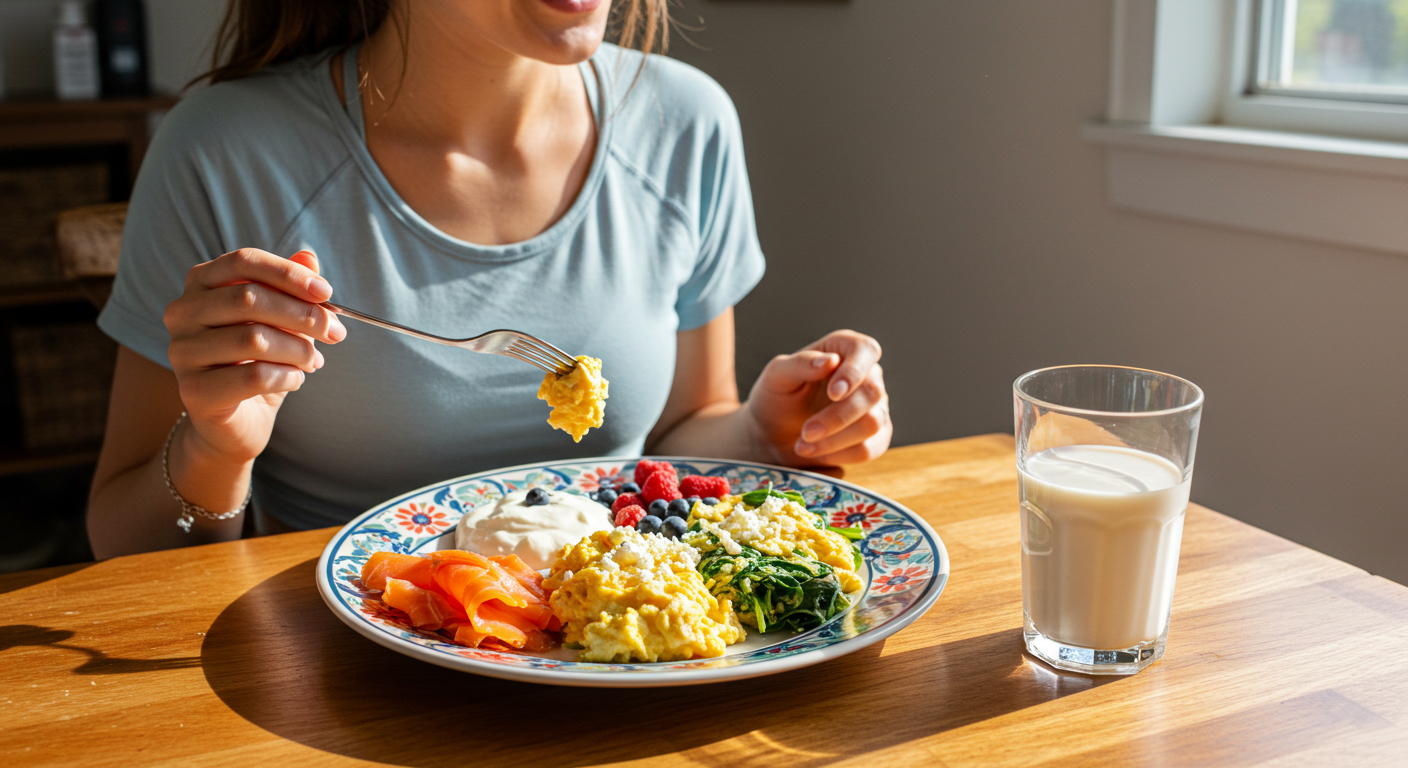
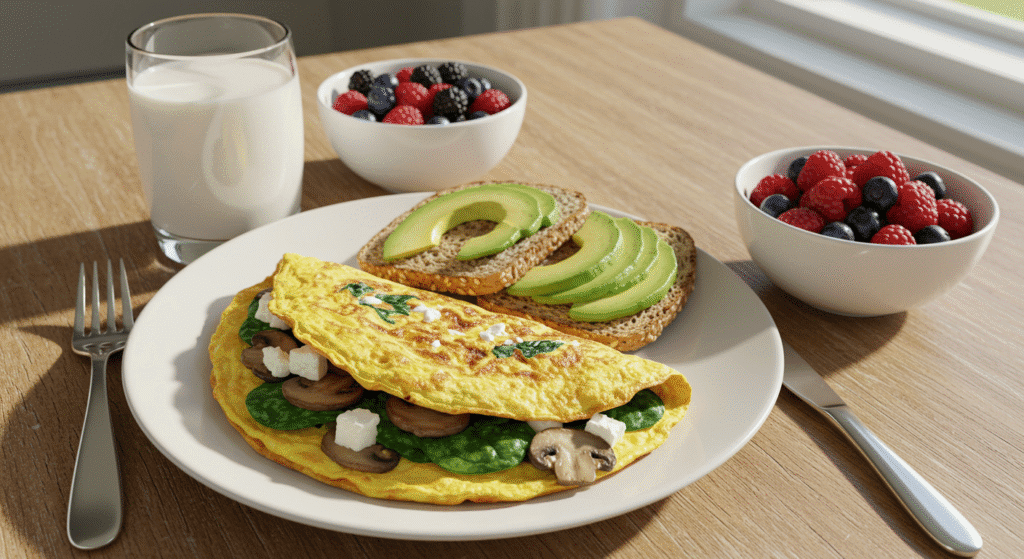
A good rule of thumb is to aim for 15–30 grams of protein at breakfast, depending on your age, weight and activity level. Pair that with fibre-rich carbs and healthy fats for long-lasting energy.
Balanced options might include:
- Scrambled eggs with avocado and sourdough
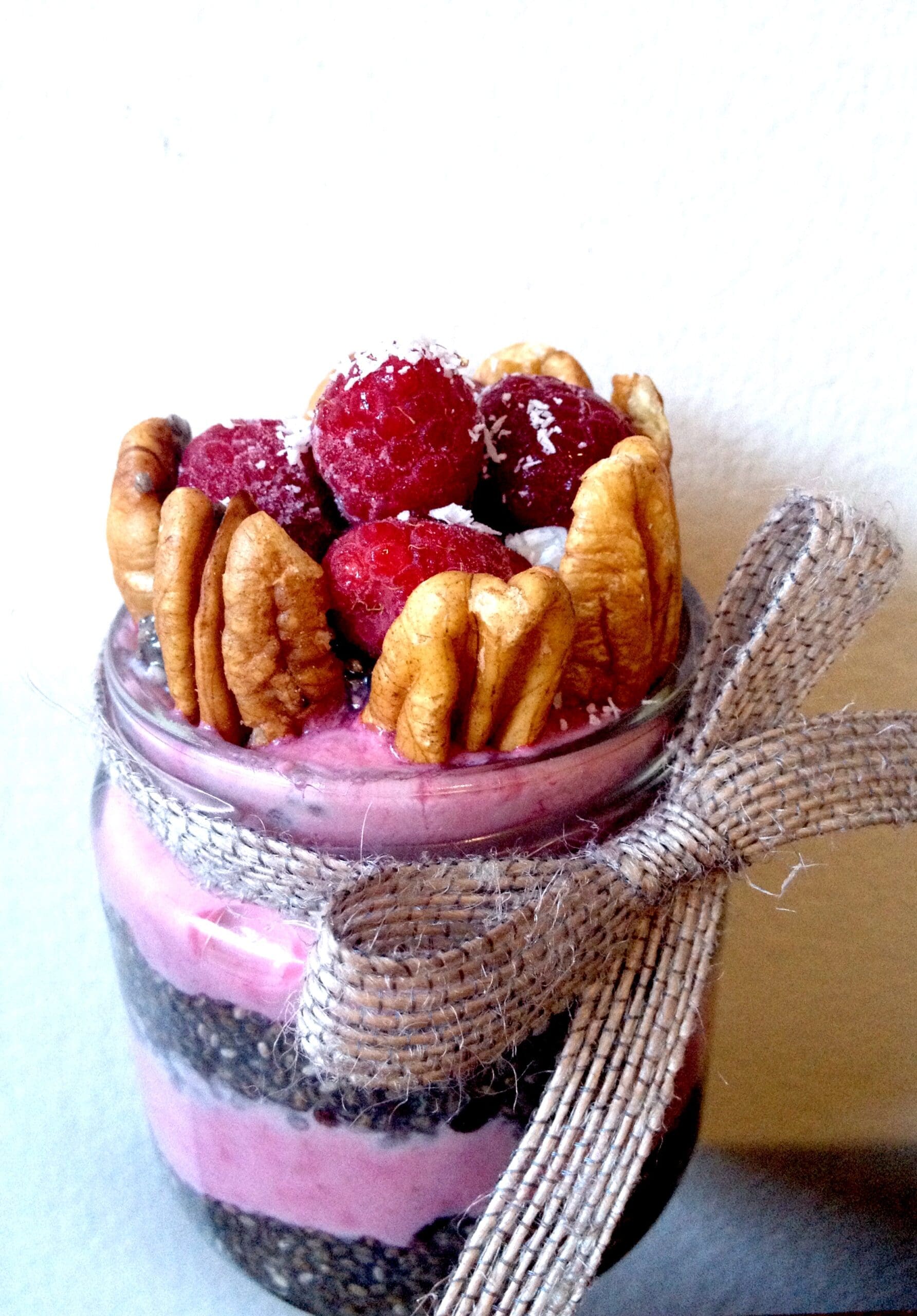
- Greek yoghurt with berries, nuts and chia seeds
- A smoothie with protein powder, spinach, banana and almond butter
- Cottage cheese with sliced apple and cinnamon
- Tofu scramble with veggies and olive oil
It’s not about perfection, it’s about upgrading what you already love. For example, if oats are your go-to, try adding protein powder or egg whites to the mix. If you love toast, top it with hummus and boiled eggs instead of jam.
Need more help with snacks ideas? Check out this Bondi Beauty Article packed with simple, affordable snack ideas.