








GLP-1 Drugs: from muscle mass to mood changes, here’s what the wellness world isn’t talking about when it comes to these trending injections taking the world by storm
GLP-1 drugs have been called game-changing, miracle drugs, and the future of weight loss. GLP-1 receptor agonists (medications like Ozempic, Trulicity and Victoza) have taken the world by storm, promising rapid, effortless weight loss. But while social media is filled with dramatic “before and after” photos, what’s less visible are the unexpected side effects that have nothing to do with the number on the scales.
If you are unfamiliar, GLP-1 stands for glucagon-like peptide-1, a hormone the body naturally produces in the gut after eating. It helps regulate blood sugar levels, slows digestion, and signals to the brain that you’re full.
The medications mimic this hormone, reducing appetite and making it easier for people to eat less. Price in Australia can range from 200 to 650 AUD per month.
But as Dr. Michael Jensen, an endocrinologist at the Mayo Clinic, explains: “GLP-1 medications are powerful tools, but they work by suppressing hunger. If people aren’t careful, that means they can also end up eating less of the nutrients their bodies actually need, especially protein and certain vitamins.”

Muscle Loss Is a Hidden Side Effect
When the scale drops quickly, it’s tempting to celebrate without thinking twice. But not all weight loss is created equal. On GLP-1 medications, a portion of that loss can be lean muscle mass the very tissue that keeps metabolism healthy and supports mobility as we age.
Losing muscle doesn’t just make it harder to maintain weight loss in the long run; it can also impact strength, posture, and overall energy levels. “If you’re eating far less, but not prioritising protein or resistance training, your body will start using muscle as fuel,” says Dr. Jensen.
People using GLP-1 medications, focusing on protein-rich foods think eggs, fish, legumes, Greek yogurt and incorporating strength training is essential to help preserve muscle during weight loss.
Nutrient Deficiencies Can Sneak Up
Because these medications slow digestion and reduce appetite, some people again unintentionally skip meals or eat very small portions. That means important nutrients iron, calcium, vitamin D, B vitamin can be missed.
Low iron can cause fatigue and hair thinning. Not enough calcium or vitamin D can weaken bones over time. And low B vitamins can impact mood, memory, and energy.
Experts recommend choosing nutrient-dense meals when you do eat.
The Emotional Side: Food Isn’t Just Fuel
Another layer often overlooked is the emotional and social connection to food. Sharing a meal with friends, enjoying a celebratory dinner, or cooking a family recipe are all experiences that go beyond nutrition.
On GLP-1s, some people report losing interest in food altogether which might sound like a dream for weight loss but can also mean missing out on the joy and community that eating brings. In some cases, this detachment can even lead to feelings of isolation.
Psychologists suggest being intentional about maintaining social eating rituals, even if the portions are small.
Digestive Changes Aren’t Always Glamorous
Slower digestion is part of how GLP-1s work, but it can also cause bloating, constipation, or nausea. These side effects tend to improve over time, but they’re a reminder that the body is adjusting to a very different rhythm of eating.
Hydration, fibre-rich vegetables, and gentle movement can help manage these symptoms. In some cases, supplements like magnesium can also support regular digestion, but always under medical advice.
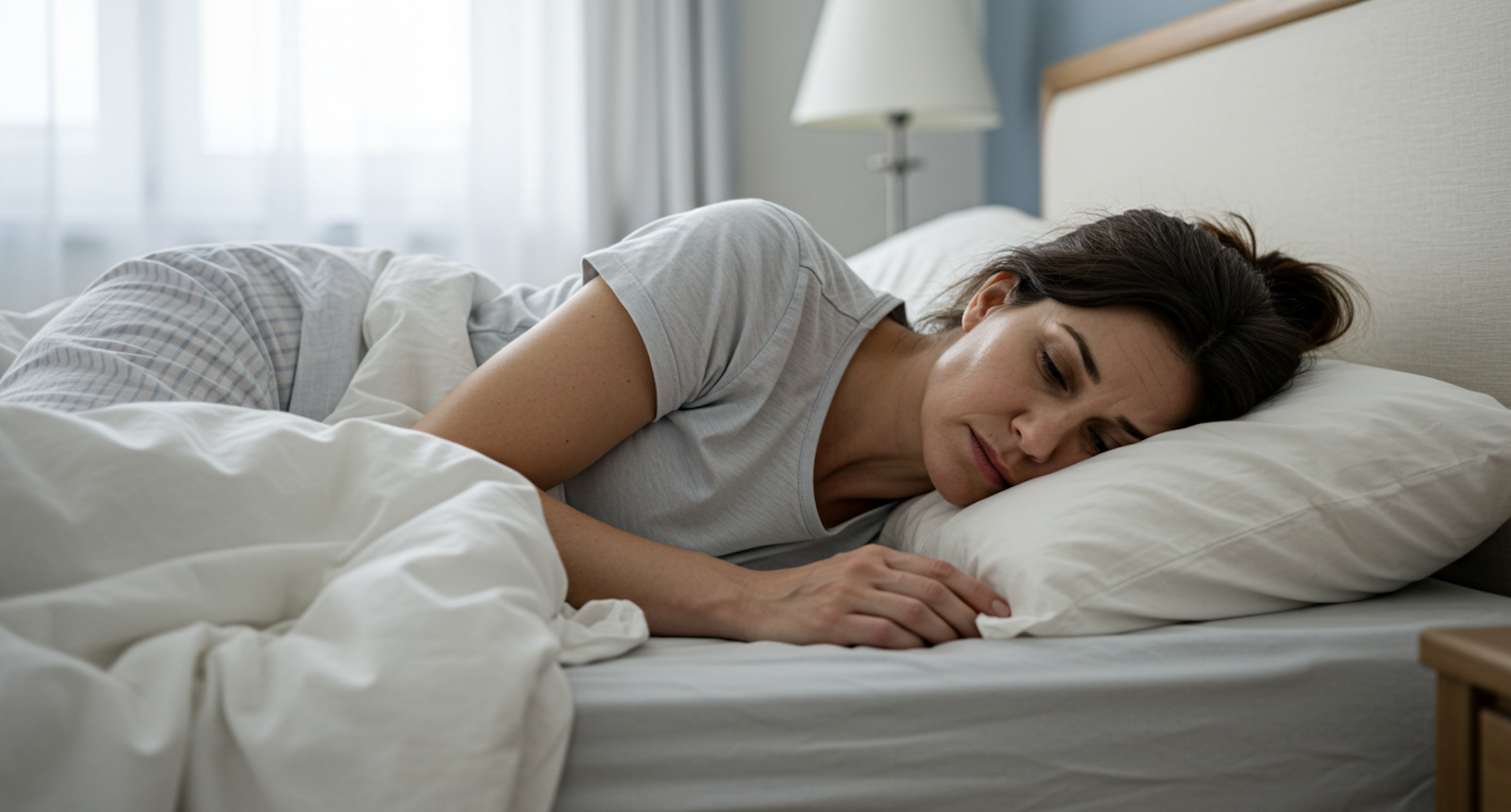
Keep in mind: Its a Tool, Not a Magic Wand
GLP-1 medications can be life-changing linked with obesity or weight-related health issues. They can lower the risk of type 2 diabetes, improve blood pressure, and help regulate cholesterol. But they’re not a stand-alone fix.
Without a plan to maintain nutrition, muscle, and lifestyle habits, stopping the medication can lead to regaining weight sometimes faster than it was lost.
Dr. Jensen puts it plainly: “These drugs should be thought of as part of a long-term health strategy, not a shortcut. If you stop taking them and go back to your old habits, the weight is likely to return.
Want to know more? Check out this Bondi Beauty Article.