








The running shoe evolution has never been more exciting, it’s evolving and there is more tech and more data on the way.
What began as a humble slip-on for track athletes wearing a running show, has become the playground for fashion, cutting-edge biomechanics, and high-tech innovation.
From barefoot minimalism to bold carbon-plated “super shoes,” our sneakers reflect not just our runs, but the culture and technology of our times.
The future of running shoes is inclusive, intelligent, and woven with possibilities for every pace, style, and value system. Expect Bondi’s runners, fitness influencers, and everyday joggers to embrace everything from plush, retro-inspired daily trainers to AI-powered smart sneakers and carbon-plated marathon shoes.
Whichever trend you follow, rest assured: the sneaker on your foot is smarter, lighter, greener, and better fitted than ever before. And with each stride—across sand, street, or stadium—Australian runners will be part of an exciting new story where science, sustainability, and personalisation set the pace for years to come

A History Written in Foam, Fabric, and Form
Running shoes first found their groove in the 1960s with the boom of jogging culture. Classic silhouettes like the Nike Cortez graced Olympic tracks and street style blogs alike, while brands such as Asics, Adidas, and New Balance built devoted followings from athletes and everyday walkers.
Minimalist shoes took over in the 2010s, inspired by the “born to run” barefoot movement, urging wearers to strengthen foot muscles and try natural gaits.
But with the rise of marathon running and huge city races, runners craved more than minimal. Enter maximal cushioning, shock-absorbing midsoles, and, eventually, the game-changing era of the “super shoe.”
Thanks to innovative foams (like PEBA—branded as Pebax) and carbon plates, companies like Nike, Saucony, Hoka and Puma let runners feel faster, fresher, and more supported than ever before. By 2025, carbon plates, advanced compounds, rocker geometries and wild stack heights are no longer just for pros—they’re ordinary features of mainstream models.
Next-gen Trends: Tech, Sustainability, and Personalisation
Today, the shoe rack is set for another seismic shift.
Here’s what stands out for the future-minded runner:
Super Shoes Go Mainstream
The once-elusive “super shoe”—bold, bouncy, built for speed—has gone mainstream. Models such as Puma’s Fast-R Nitro Elite 3 drive a 3.5% energy boost for marathoners with nitrogen-injected foam, carbon plating, and featherlight designs. Asics’ Metaspeed Ray and Hoka’s Mach X are lighter, faster, and designed for everyone chasing PBs.
Smart Shoes and Embedded Tech
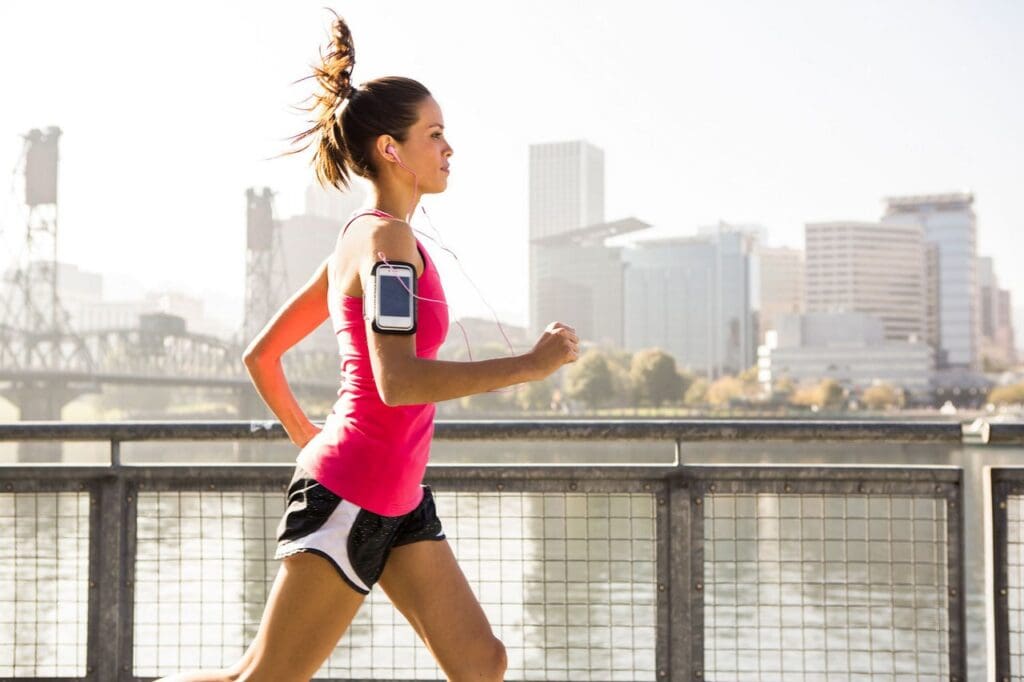
Say hello to smart soles: The future is filled with sneakers that do far more than cushion or propel. Next-level wearable tech is being integrated in shoes by brands and third-party innovators (like Nurvv and Stryd). Think trainers with built-in sensors that track stride, pressure, and even running posture, feeding live coaching to your phone or smartwatch.
- Smart insoles and textiles can now flag imbalances in your run, help prevent injuries, estimate shoe wear, and even offer real-time gait analysis.
- Some brands are experimenting with “modular” systems—swappable midsole pods or customisable plate inserts that let you tune shoes for tempo runs, marathons, or easy jogs.
The Personal Fit Revolution
Forget one-size-fits-all. We’re entering an age where at-home 3D foot scans can produce custom-fit insoles, uppers, and even shoes. The goal? Run longer and injury-free no matter your foot shape or arch. Expect local 3D printing pop-ups and apps that turn every runner into their own designer.

Sustainability Steps Up
Sustainability is going from buzzword to baseline. Allbirds pioneered sugarcane-based “SweetFoam” midsoles; Adidas and others are rolling out more recycled plastics, natural rubbers, and closed-loop production cycles. Expect to see:
- Recycled polymer foams and yarns
- Take-back and recycling programs that turn your old trainers into new pairs
- Carbon-footprint scores on retail shelves, showing the environmental impact of your choice.
Plush Comfort for Every Run
Everyday shoes are trending softer, with foams delivering both plush landings and energy return. Brooks Ghost 17, Hoka Clifton 10, and Adidas Adizero Evo SL blend luxury ride quality with sleek, lifestyle-friendly looks. Race day or recovery jog—you’ll spot thick midsoles everywhere in Bondi from 2025 on.

Medical Backing and Injury Prevention
With running injuries a constant worry, brands are working with podiatrists to design shoes for real feet. The Asics Gel-Kayano 30 and New Balance Vongo v6 now come with podiatric stamps of approval, offering more stability and joint protection for pronators and flat-footed runners. Look for more medical partnerships and biomechanical research-proofed models on shelves soon.
Nod to Nostalgia (With a Twist)
Vintage silhouettes and retro colorways are on the rise, as runners blend fashion with function. The Asics Dynablast 5 and Nike Vaporfly 4 “Steve Pre Montreal” mix heritage looks with futuristic foams, promising both street style and finish-line performance.
The Next Five Years: What the Experts Say
Super shoes will continue to break boundaries, but the biggest leaps are coming in two places: smarter use of tech (from insole analytics to modular platforms) and radical upgrades in sustainability.
Running shoe brands are leaning into “ecosystem thinking”—pairing your shoe with apps, smart wearables, and even AI coaching. The shoe will become part of a holistic running “platform”—think monthly performance reports, pre-emptive injury alerts, and even subscription-based coaching included with every purchase.
Modularity—swapping out midsoles or custom plates per run type—brings a new level of personalisation. Social and influencer-driven trends, such as limited-run colorways, athlete collaborations, or community-designed models, will foster even stronger brand loyalty among Gen Z and millennial runners.