




There are ways to achieve pain-free living without drugs but with a shift in mindset.
Feeling good is key to success, but maintaining it can be tough, personally and professionally. It’s a challenge to juggle all of life’s demands without your body feeling the pressure. The first thought is often to just “power through it” or reach for a painkiller. But what if there’s a better way? A way to actually understand what the body is trying to tell you and fix the issue at its core?
With increasing expectations and demands on the body, it’s easy to feel overwhelmed. However, some simple steps can help build self-assurance and see you emerging stronger than ever.
Massage
Most of us think of a massage as a luxury—a way to unwind and de-stress. But its real magic is happening on a much deeper level. The muscles aren’t the only thing getting worked on.
What you might not know is that the therapist is also manipulating your fascia, a super-important network of connective tissue that wraps around everything in the body.
When muscles are sore, that fascia gets tight and restricted, like a tangled web. A good massage releases that tension, improving blood flow and helping the body actually heal.
A surprising fact? Regular deep tissue work can actually change your muscle tissue’s physical properties, making it more resilient and less prone to injury in the long run. The main downside is that it might hurt a little in the moment, but the ache afterwards feels like a “good” kind of soreness, almost like a workout in itself.

Massage Ball
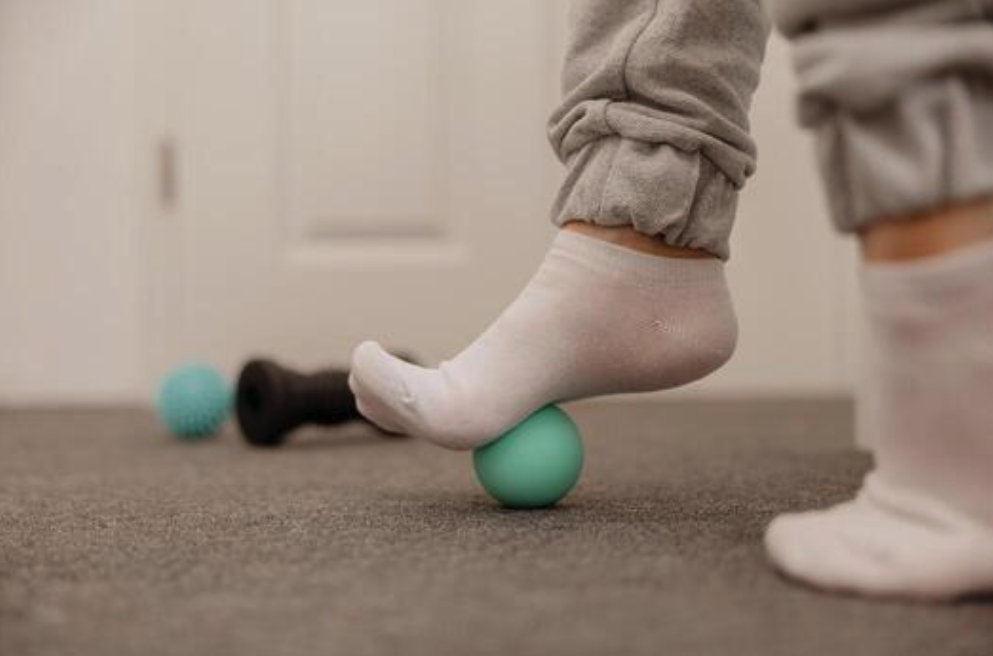
A massage ball is your own personal, on-demand physical therapist. It’s not just a toy you roll on the floor; it’s a tool for targeting what we call trigger points.
These are tiny, grumpy knots in the muscles that can cause pain in a completely different part of the body—a phenomenon known as “referred pain.” Ever feel a dull ache in your shoulder that’s actually coming from a knot in your back? That’s referred pain.
The key to using a massage ball is to press on a trigger point for 30 to 90 seconds. You’re not just mashing a knot; you’re sending a signal to your nervous system to basically tell the muscle to stop freaking out and just let go. It’s an incredible, almost instant way to get deep relief from stubborn aches.
Dry Needling
This is a modern, Western approach that uses a very fine needle to target those stubborn trigger points we just talked about. It’s not about energy flow like acupuncture.
Instead, it’s a direct hit on the muscle knot to force it to release. A surprisingly cool fact about dry needling is that when the needle hits the right spot, the muscle will have a tiny, involuntary twitch.
It might feel weird, but that twitch is a sign that the needle has done its job and is successfully releasing the tension. The best part? This method has very few side effects beyond some minor bleeding or a little bruising.
Acupuncture
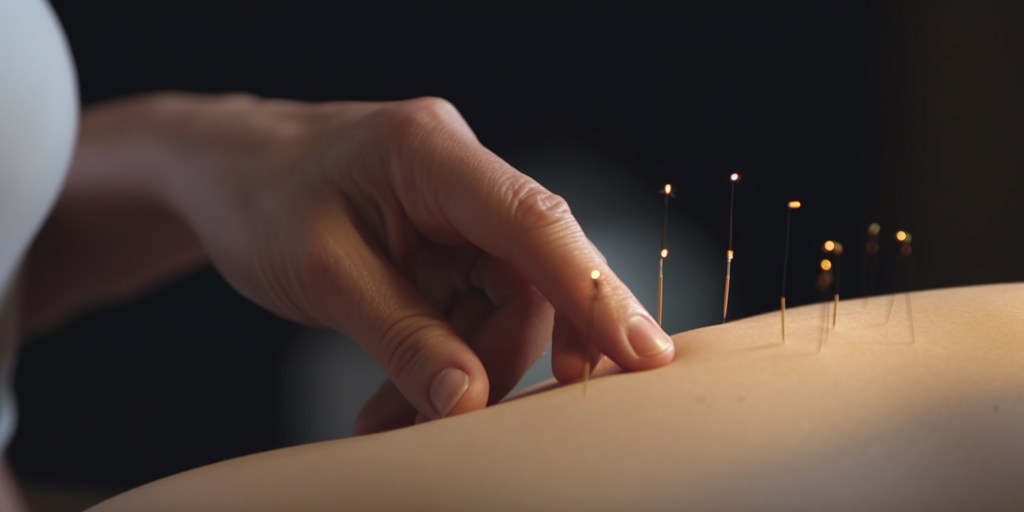
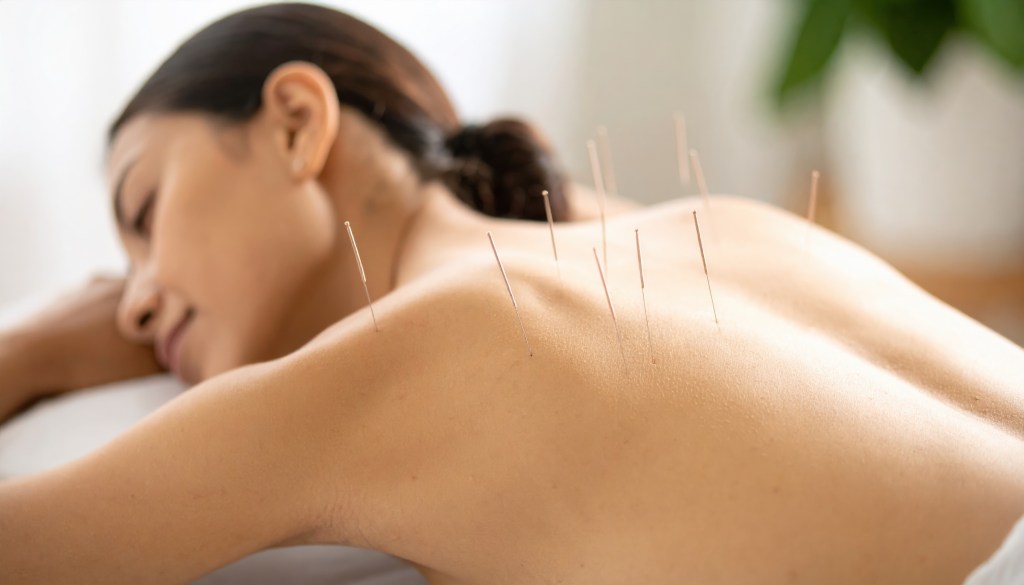
Acupuncture is an ancient practice that works by stimulating specific points on the body with fine needles. It’s all about working with the body’s natural energy flow to trigger its own pain-relieving mechanisms.
The needles signal your central nervous system to release endorphins, the body’s natural painkillers, and other chemicals that promote healing. It’s an incredible way to treat pain without medication.
Electroacupuncture
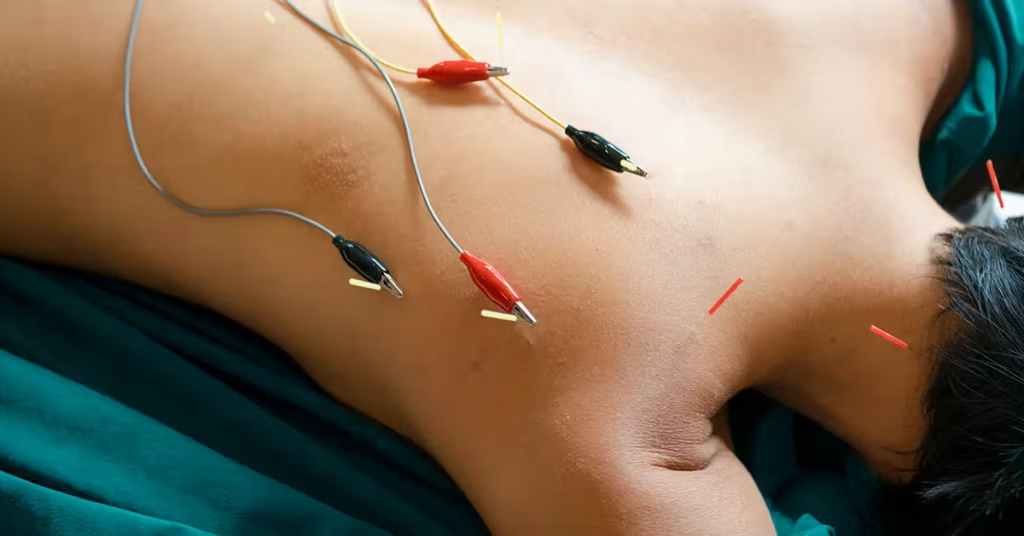
Want to level up? Electroacupuncture takes the principles of acupuncture and adds a gentle electric current to the needles. This isn’t painful—it feels more like a light buzzing or tapping sensation. This added current can stimulate the nerves even more intensely, making it incredibly effective for chronic pain. This method is often used for conditions that haven’t responded well to other treatments.
Gua Sha
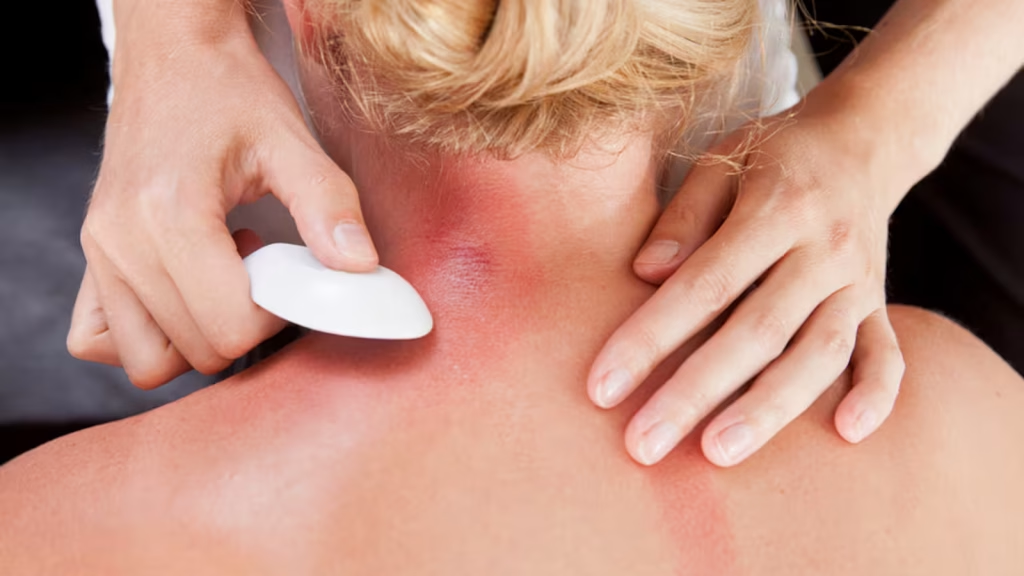
You’ve probably seen pictures of Gua Sha and thought, “Wait, is that a bruise?” The answer is no! This traditional technique, which involves scraping the skin with a smooth tool, creates a controlled micro-trauma. This sends an emergency signal to the body, telling it to rush blood, nutrients, and immune cells to the area.
This influx helps clear out metabolic waste and jump-starts the healing process. Those red marks you see on the skin? They’re called petechiae, not bruises, and they’re a sign that circulation is being massively boosted. They’re not painful, and they fade within a few days, but the deep feeling of release you get from them is completely worth it.
The truth is, feeling good isn’t just about treating the symptoms. It’s about understanding your body and giving it the care it needs to thrive.
From the targeted trigger point release of a simple massage ball to the ancient wisdom of acupuncture, each of these methods offers a unique way to empower yourself. Instead of just powering through the pain, you’ll be actively helping your body heal and recover. By prioritising your body in your 20s, you can become more confident and ready to face whatever challenges are thrown your way.