




The Geography of the Glow-Up – which Australian state is the most affordable for a workout?
From Canberra carriages to Perth power-houses, the Australian fitness scene in 2026 is as much about postcodes as it is about PBs.
Where someone lives now heavily shapes the “wellness tax” they pay, with major differences in the cost of Reformer Pilates, CrossFit, and general gym memberships across the country. For women trying to stay strong, sane and financially afloat, the geography of exercise has quietly become a key part of the monthly budget.
The Pilates Premium: ACT and NSW
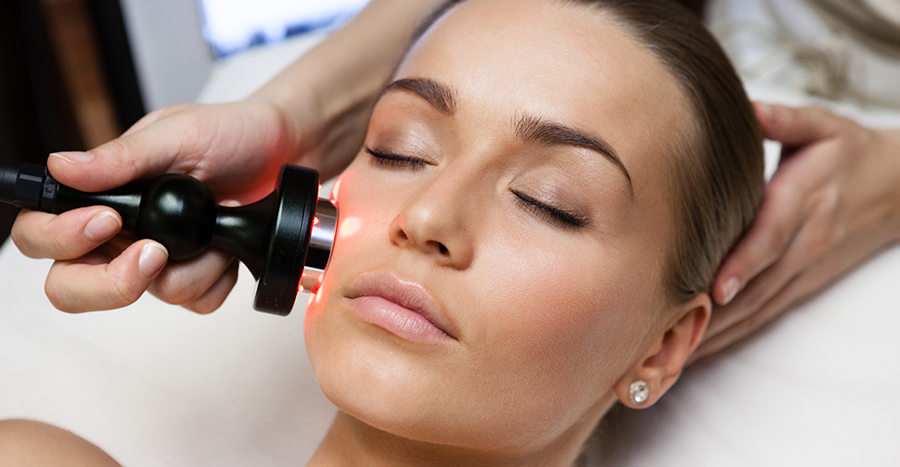
Canberra currently wears the crown as Australia’s most expensive city for boutique movement and mindful sweat sessions. The capital’s love affair with the reformer carriage comes in at an average weekly price of around $82.20, making a consistent Pilates habit feel more like a high-end subscription than a casual wellness add-on. For many Canberrans, booking that next class sits on the same priority list as rent, groceries and utilities, and skipping a week can feel like skipping a non-negotiable part of their identity.
Sydney is not far behind, and in many ways sets the tone for the country’s luxury wellness culture. In the harbour city, group fitness prices average about $73.33 per week, with Reformer Pilates, strength circuits and yoga studios clustered across the Eastern Suburbs, the CBD and the North Shore.
Wellness in these suburbs goes beyond movement; it is brunch spots, activewear, recovery spas and “hot girl walks” rolled into one lifestyle, which means the financial commitment is baked into everyday life. For under-35 women who want to stay in the scene, it can feel less like a choice and more like a membership fee to belong.
For those in the ACT and NSW who want the benefits of strength, cardio and community without boutique-level prices, large 24/7 gym chains are a game-changer.
In Canberra and Sydney suburbs, women often turn to high-value options such as Anytime Fitness, Jetts, Plus Fitness or Snap Fitness, which typically offer full gym access, basic classes and a friendly atmosphere at a fraction of boutique studio pricing. These gyms might not have eucalyptus-scented towels or curated playlists, but they do deliver barbells, treadmills and functional zones that support serious training goals while keeping budgets in check.

The Functional Frontier: Western Australia
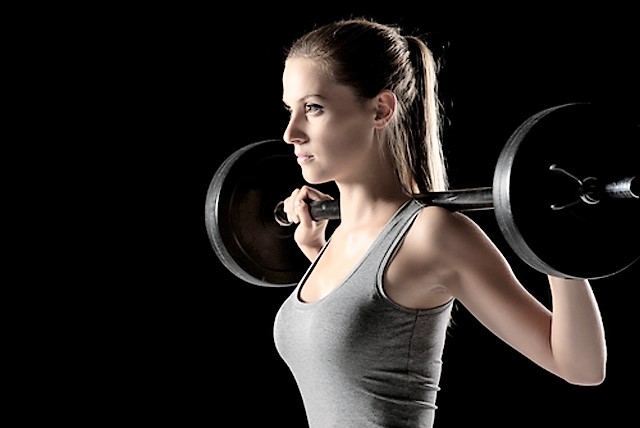
Over in Western Australia, the energy shifts from reformer springs to barbells, rigs and rowers. Perth has quietly become one of the country’s hot spots for CrossFit and functional training, and that intensity comes with a cost.
Average weekly memberships for CrossFit-style facilities hover in the mid-$70s range, with many boxes charging around $76.25 per week for unlimited classes and coaching. The community is electric and the programming is world-class, but the price point sits firmly in the “premium” category.
For women in Perth who want to lift heavy, feel strong and still have money left for the occasional weekend away, a more affordable path often involves mixing and matching. Many choose a lower-cost 24/7 gym membership at chains like Goodlife Health Clubs, Anytime Fitness, or Plus Fitness, then add in one or two drop-in sessions at specialty studios each month. This hybrid setup keeps the social, high-energy buzz of functional training in the mix, while ensuring most weekly sessions cost closer to $15–$20 instead of $70-plus.
Outside Perth, regional WA city dwellers in areas like Bunbury or Geraldton often rely on community gyms, council-run recreation centres and independent 24/7 clubs. These spaces may not have the slick branding of big-city studios, but they typically offer solid equipment, casual passes and flexible memberships that suit shift workers, FIFO partners and busy women juggling work, study and family.

The Affordability Oasis: Queensland, SA and the Territories
If there is such a thing as an “affordable sweat” in Australia right now, it is most likely found in Queensland, South Australia and the Northern Territory. Brisbane and Adelaide both sit comfortably below the big coastal capitals, with average weekly group fitness costs around the $60 mark. That is still a commitment, but it is noticeably easier to manage than Sydney-style pricing, especially when paired with cheaper rent and a more relaxed cost of living.
Queensland’s major cities, particularly Brisbane and the Gold Coast, are covered in high-value gyms: Think Anytime Fitness, Goodlife Health Clubs, Jetts and Snap Fitness, plus newer budget-friendly concepts that offer 24/7 access, basic classes and solid equipment.
For women under 35 who love marathons, HYROX-style sessions or heavy lifting, a typical routine might include a $15-a-week gym membership, free outdoor run clubs and occasional paid drop-in sessions at boutique studios when they want a treat.
In Adelaide, the mix is similar but slightly more low-key. Big-box chains sit alongside council facilities and local independent gyms, offering options at multiple price points. Many women lean into the city’s accessible outdoor lifestyle, combining beach runs, free park workouts and low-cost gym memberships into a routine that feels balanced both physically and financially.
The Northern Territory is quietly the MVP for budget-conscious training. Average group class prices are some of the lowest in the country, around $46 per session or membership equivalent, depending on the model. Darwin and Alice Springs have seen growth in 24/7 gyms and functional spaces that offer straightforward memberships without the premium studio overlay. For women who want to focus on strength, conditioning and endurance without the big-city price tag, the Territory stands out as a genuine affordability oasis.
Affordable Gyms Across the States
While exact prices change all the time and vary by suburb, there are some consistently budget-friendly gym chains spread across multiple states and key cities. For most women, these gyms form the backbone of an affordable fitness routine, offering 24/7 access, basic classes and functional zones:
- New South Wales (Sydney, Newcastle, Wollongong): Anytime Fitness, Jetts, Plus Fitness and Snap Fitness usually offer lower-cost weekly memberships compared to boutique studios, with solid equipment, functional spaces and flexible contract options.
- Australian Capital Territory (Canberra): Anytime Fitness, Club Lime and Snap Fitness locations across Canberra provide accessible price points, especially when compared with premium boutique Pilates studios in the city.
- Victoria (Melbourne, Geelong): Goodlife Health Clubs, Anytime Fitness, Jetts, Snap Fitness and various council-run leisure centres give Melbourne and Geelong residents a mix of budget and mid-range options that undercut boutique reformer and HIIT chains.
- Queensland (Brisbane, Gold Coast, Sunshine Coast): Goodlife Health Clubs, Jetts, Snap Fitness, Anytime Fitness and other 24/7 chains are common, enabling women to keep weekly costs low while still accessing quality equipment and occasional classes.
- South Australia (Adelaide): Anytime Fitness, Goodlife and Snap Fitness, along with some local independent 24/7 gyms, provide a cost-effective base for strength and conditioning in and around the city.
- Western Australia (Perth and larger regional centres): Anytime Fitness, Goodlife and Plus Fitness operate across Perth suburbs and some regional hubs, giving residents affordable options that complement or replace high-cost functional studios.
- Tasmania (Hobart, Launceston): A mix of local independent gyms and 24/7 chains such as Anytime Fitness offer lower weekly costs than many mainland boutique studios, while still providing key strength and cardio facilities.
- Northern Territory (Darwin, Alice Springs): 24/7 gyms and community-focused fitness centres support budget-friendly training, often at prices below the national average for group fitness and memberships.
These gyms may not promise a “lifestyle aesthetic”, but they do give women in each city and state the fundamentals needed to train hard, chase endurance goals and feel strong—without sacrificing their entire pay cheque.

The Future of the Budget Workout
As costs climb in the big coastal capitals and boutique studios expand their waiting lists and price lists, a new “Hybrid Wellness” model is emerging. Many Australians are consciously trading $80-a-week boutique memberships for $15-a-week basic gym access, layering in free community events like parkrun, social run clubs and outdoor bootcamps. Instead of relying on one expensive membership, they are building a flexible toolkit: a budget gym for consistent training, free outdoor sessions for cardio, and occasional higher-end classes as a treat rather than a necessity.
In 2026, the most successful fitness routines are not always the most expensive ones. The women who seem to glow the most are often the ones leveraging health-insurance extras, workplace wellness perks and state-based rebates, while staying smart about which memberships genuinely add value. The glow-up is no longer just about aesthetics or performance; it is also about financial sustainability. The real flex now is finding a way to feel strong, grounded and energised—without letting the cost of wellness become just another source of stress.