


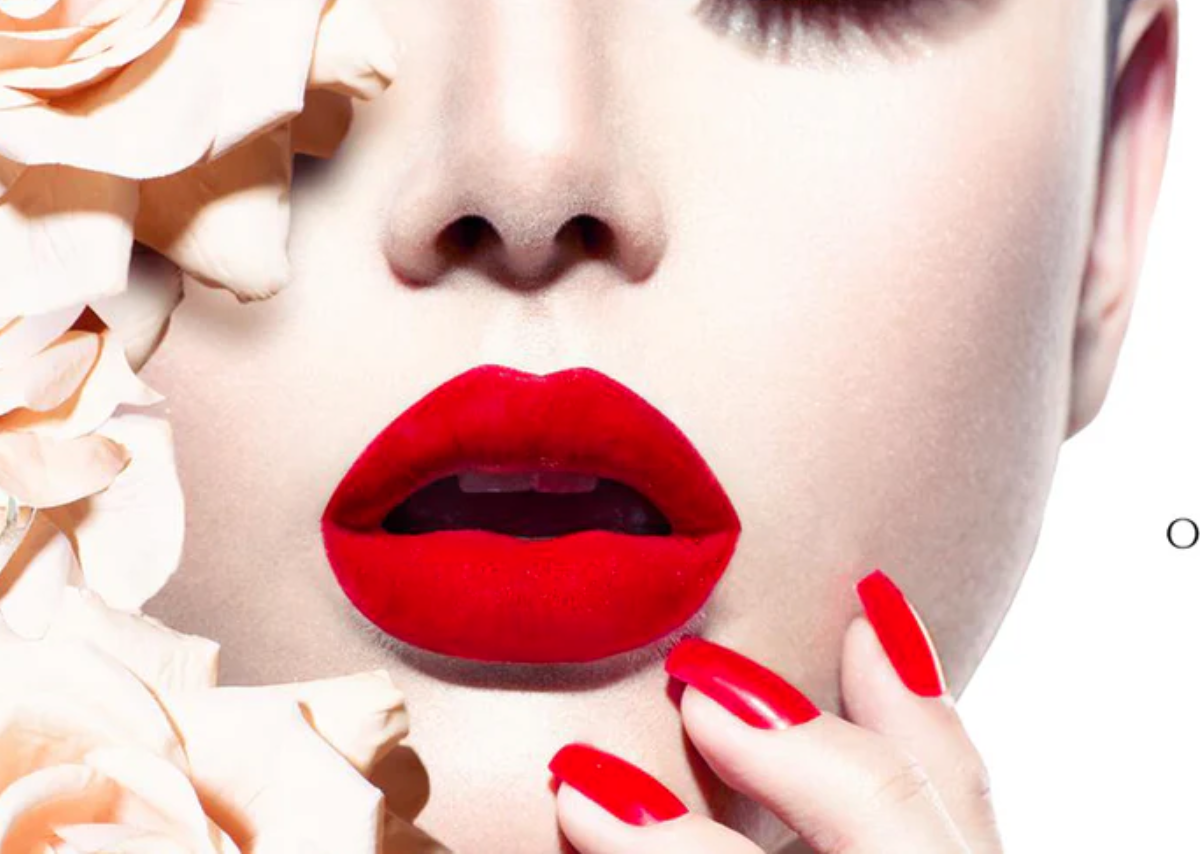


AI skincare tools, virtual dermatology apps and personalised beauty diagnostics are reshaping how women discover and manage their skin health.
Artificial intelligence is rapidly entering the beauty industry, with AI skincare tools, virtual consultations and personalised diagnostics changing how women aged 18 to 35 approach skin health. From scanning your face in seconds to recommending tailored routines, AI beauty is raising a new question for consumers: would you trust artificial intelligence with your skin?
What once felt like science fiction is now becoming part of everyday beauty routines. Across global beauty markets, brands and tech companies are investing heavily in AI systems designed to analyse skin concerns such as acne, pigmentation, fine lines, redness, dehydration and sun damage. Using smartphone cameras, uploaded selfies or in-app scanning technology, these systems can generate detailed skin assessments within moments.
For consumers overwhelmed by the sheer number of skincare products on the market, the appeal is clear: instant, personalised recommendations without guesswork. Instead of relying on generic advice or influencer-led routines, AI beauty platforms aim to deliver hyper-personalised skincare based on data, lifestyle inputs and visual analysis.
Industry experts say this shift reflects a broader trend towards personalisation across health and wellness.
“Consumers increasingly expect tailored experiences across every category, from fitness to nutrition to skincare,” beauty tech consultant Jessica Hall has noted in industry commentary. “AI allows brands to deliver recommendations that feel uniquely individual rather than one-size-fits-all.”
For younger consumers who have grown up with smartphones, algorithm-driven feeds and digital assistants, AI skincare feels like a natural extension of existing technology.
Many women are already familiar with using apps to track fitness, sleep patterns and mental wellbeing. Beauty is simply the next frontier. Some AI skincare platforms now offer virtual “skin coaches,” daily routine adjustments and progress tracking over time, allowing users to monitor improvements and adjust products based on real-time feedback.
This has led to a new category often referred to as “smart beauty,” where skincare routines are no longer static but evolve dynamically based on data. Beauty brands are also using AI behind the scenes to formulate products, predict ingredient effectiveness and even simulate how skin may respond to certain formulations before they are released to market.

However, as AI becomes more integrated into beauty routines, concerns are beginning to emerge. Dermatologists and skin health professionals warn that while AI can be a useful educational tool, it cannot replace professional medical expertise.
One of the key limitations is that AI systems primarily rely on visual data. While they can detect surface-level concerns such as redness or texture changes, they may not fully account for deeper issues such as hormonal fluctuations, medical conditions, allergies or long-term skin health history.
This raises questions about accuracy and over-reliance. Some experts caution that consumers may treat AI-generated recommendations as definitive diagnoses, when in reality they are best used as guidance tools rather than medical advice.
There are also concerns about data privacy.
AI skincare apps often require users to upload high-resolution facial images and personal lifestyle information, including diet, stress levels, sleep habits and environmental exposure. This has led to growing discussion around how biometric data is stored, used and potentially shared with third parties.
For many consumers, particularly in younger demographics, convenience often outweighs concern — but awareness around digital privacy is steadily increasing. Another emerging issue is the impact of AI on beauty standards. Some critics argue that AI skin analysis tools may unintentionally reinforce unrealistic ideals by categorising skin conditions as “flaws” that need correction rather than natural variations in human skin. This could further intensify the already high-pressure beauty culture driven by filters, editing apps and social media comparison.
Despite these concerns, adoption of AI beauty technology continues to grow rapidly.
Many users appreciate the sense of control and clarity that AI provides in an otherwise overwhelming beauty landscape. With thousands of skincare products launching every year, consumers are increasingly seeking simplified, data-driven guidance to help navigate choices. For women aged 18 to 35, particularly those living busy urban lifestyles, AI skincare tools offer convenience, speed and accessibility.

Instead of booking multiple consultations or trialling endless product combinations, users can receive structured routines tailored to their skin profile in seconds.
Some AI platforms even integrate with e-commerce systems, allowing users to purchase recommended products instantly. This seamless connection between diagnosis and retail is transforming how beauty is sold and experienced.
Traditional beauty retailers are now responding to this shift by investing in their own digital skin analysis tools, virtual beauty advisors and augmented reality try-on features in an attempt to remain competitive.
The rise of AI beauty also reflects a deeper cultural shift towards optimisation. Across wellness, fitness and productivity industries, consumers are increasingly embracing tools that measure, track and improve personal performance. Skincare is now part of this broader “self-optimisation” movement.
However, some dermatologists caution that this mindset can become excessive. Skin health, they argue, is not always linear or easily optimised through data alone. External factors such as hormones, stress, environment and genetics still play a significant role that algorithms cannot fully interpret.
As a result, many experts recommend a balanced approach: using AI as an educational starting point rather than a replacement for professional care.
Interestingly, many dermatologists themselves are beginning to use AI-assisted tools within clinical settings to help track progress, analyse conditions and support treatment planning. This suggests that the technology is not inherently problematic — but rather dependent on how it is used.
Looking ahead, AI beauty is expected to become even more advanced, with predictive skin modelling, personalised ingredient formulation and real-time environmental adaptation already in development.
For consumers, the question is no longer whether AI will be part of beauty — but how much trust they are willing to place in it. As beauty continues to merge with technology, one thing is becoming clear: the future of skincare may not just be in your bathroom cabinet, but in your smartphone.